
To Avoid Division & Future Quarrels! Good News As Gen Salim Saleh Pushes For Power-Sharing Plan

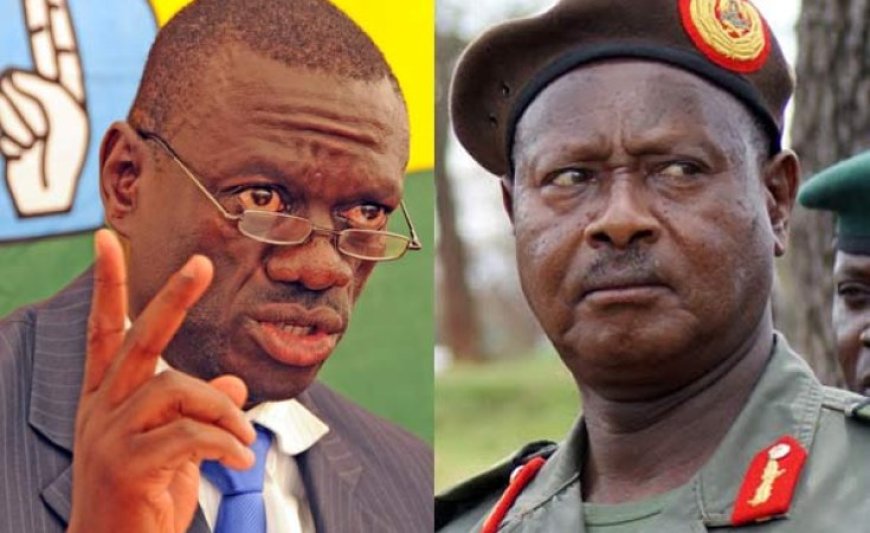

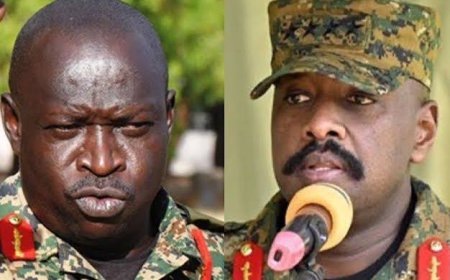
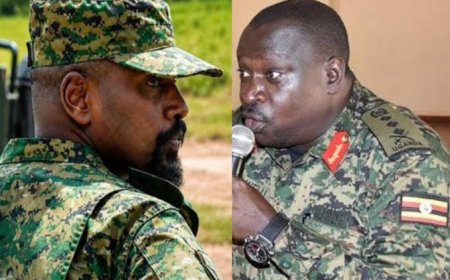
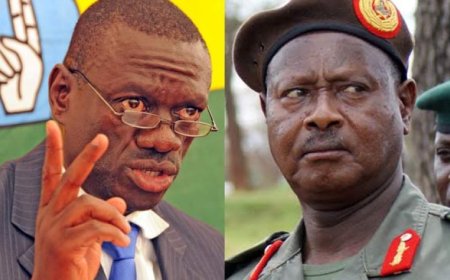
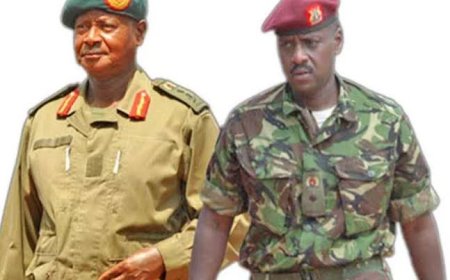
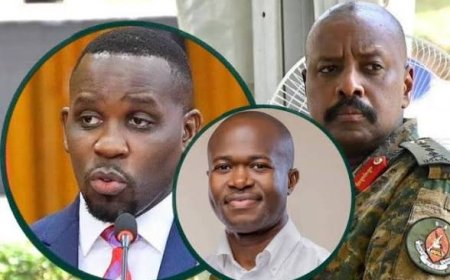
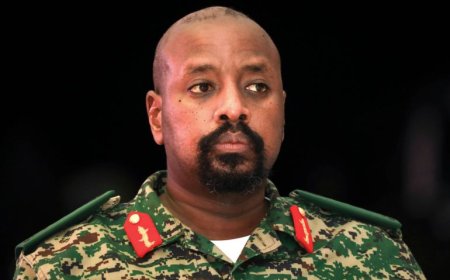
Gen Salim Saleh has revealed that he is engaging veteran opposition leader Dr Kizza Besigye in renewed discussions aimed at addressing Uganda’s longstanding political divisions. The retired general says he wants the country’s younger generation to grow up without inheriting the political disagreements that have separated leaders since the liberation struggle.
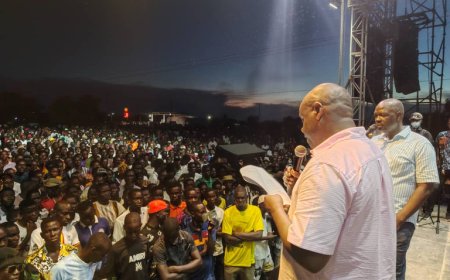
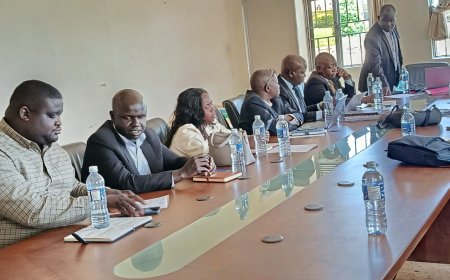
Saleh made the remarks while addressing chairpersons of parliamentary committees at Kapeeka in Nakaseke District. He explained that he and other people involved in the initiative were examining Uganda’s political history to understand how earlier disagreements developed and how the country could find a common direction. “We are carefully examining what needs to be done for you people of 35, 45, 50, 55, so that you don’t inherit our generational quarrels,” he told the legislators.
The retired general traced some of the divisions to the early years of the National Resistance Movement (NRM) government after it took power in 1986. He recalled that the first government brought together politicians from different political backgrounds, including members of the Democratic Party, but the arrangement gradually weakened as disagreements emerged. Saleh believes the loss of that early cooperation contributed to divisions that continue to affect Uganda’s political environment.
He also revisited his longstanding differences with Besigye, explaining that the two men had different views about the country's biggest challenges. Saleh said he believed poverty was Uganda’s most urgent problem, while Besigye was more concerned about the country's political direction. Their differences eventually separated them, with Besigye later becoming one of President Yoweri Museveni’s most prominent political challengers.

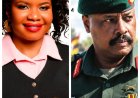
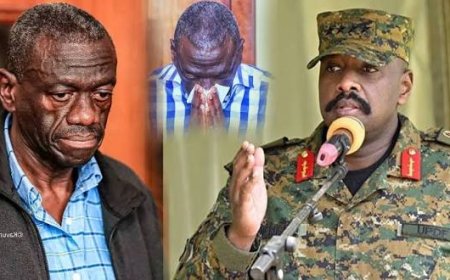
Saleh disclosed that his recent intervention in Besigye’s medical situation gave them an opportunity to reconnect after years without close communication. He said Chief of Defence Forces Gen Muhoozi Kainerugaba had earlier asked him to handle Besigye’s matter, prompting him to reach out to his former colleague. Saleh now hopes their renewed engagement can help them find common ground on the kind of Uganda they want future generations to inherit.
At the centre of Saleh’s proposal is a Consociational Democracy Agreement developed with historian Prof Ogenga Otunnu. The proposed framework seeks to address political exclusion, divisions and mistrust through cooperation and power-sharing among competing political groups. It envisages a national consultation process involving political parties, civil society, religious leaders and cultural institutions, alongside reforms aimed at strengthening democratic institutions and electoral credibility.
Saleh urged the legislators to study the proposal, arguing that political compromises made in Uganda’s past could offer lessons for resolving current disagreements. He expressed hope that discussions with Besigye could produce a shared national outlook within three to six months. However, he did not announce a formal agreement, and Besigye’s family has maintained that his freedom, health and legal rights should be addressed through the proper judicial process rather than political bargaining.
The power-sharing proposal remains at the consultation stage, with no national agreement officially announced. Saleh made his remarks during a parliamentary delegation’s visit to the Luwero Triangle, where he also spoke about transforming the former conflict zone into a centre for industrialisation and wealth creation. His latest intervention has placed the question of political reconciliation back at the centre of Uganda’s national debate, with attention now turning to whether the proposed dialogue can produce meaningful results.
What's Your Reaction?