


Rest In Peace! Russia Sends Names Of Ugandans Killed On The Ukraine War Front

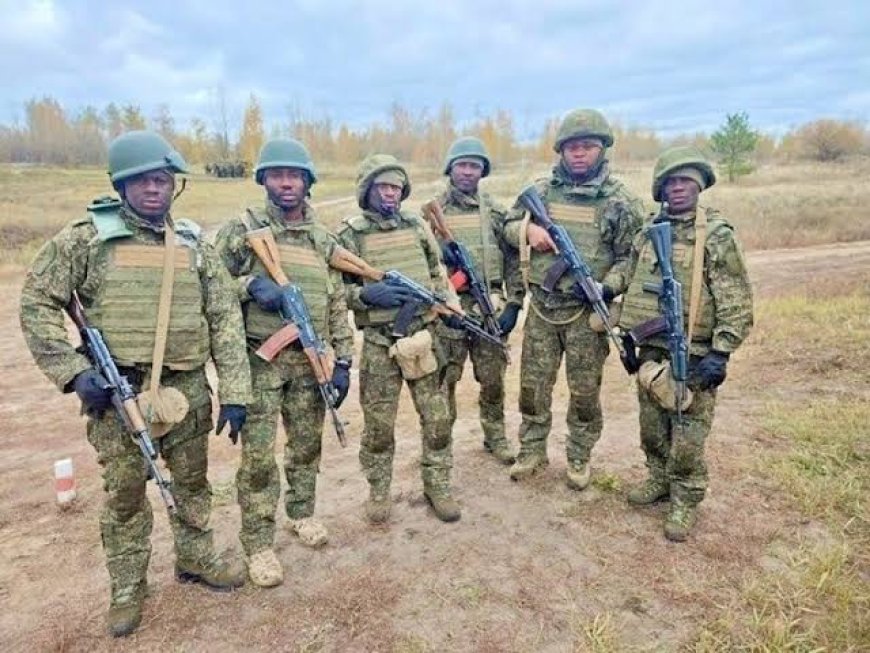

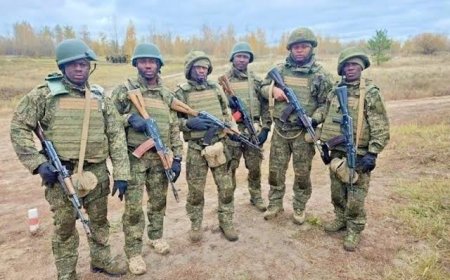
Uganda has received heartbreaking news about citizens who travelled to Russia in search of employment but ended up in the war in Ukraine. Official diplomatic correspondence has confirmed that 11 Ugandans have died, while another 16 are missing and presumed dead after reportedly being recruited into the Russian military. The revelations have renewed concerns about the fate of Ugandans who leave the country after receiving promises of well-paying jobs abroad.
The information is contained in a letter dated October 17, 2026, written by Uganda’s Ambassador to Russia, Moses Kizige, to the Permanent Secretary of the Ministry of Foreign Affairs in Kampala. According to the correspondence, Russian authorities provided information about Ugandans who had died, disappeared, remained in military service or been discharged. The report offers families some answers after months of searching for relatives whose whereabouts had remained unknown.
The 11 Ugandans confirmed dead are Ronald Bugiri, John Male, Francis Ngabirano, Innocent Agaba, Levi Kasule, Bigirwa Mugisa, Richard Twine, Junior Moses Mawejje, Pius Byamugisha, David Buyondo and Godfrey Kamugira. However, the diplomatic correspondence does not provide the exact dates or locations of their deaths, nor does it confirm whether their remains have been recovered. For their families, the announcement brings painful news while leaving important questions about burial arrangements and the return of their loved ones’ bodies.
The situation is even more distressing for the families of the 16 Ugandans whose whereabouts remain unknown. They are Maxima Tindyebwa, Darius Twebaze, Alex Katurebe, Miro Mukasa, Eric Kwesiga, Kosiaa Kusima, Johnson Kakuru, Edwin Musasizi, Vicent Musisi, Nelson Mugyenyi, Alex Akanshabira, David Kiwanuka Ssekisibo, Henry Rwakiziri Bamutina, Stephen Muhame, William Kyoffa and Nelson Lukwita. Russian authorities reportedly believe they have died, although their bodies have not been found and they have not been identified as prisoners of war.

Among those whose disappearance has caused concern is William Kyoffa, whose wife, Jennifer Namuli, previously appealed to the Ugandan government for help tracing him. According to earlier reports, Kyoffa left Uganda towards the end of 2025 and later told his family that he had been issued a gun and was being taken to the frontline in the Donbas region. His last reported communication with his family was on February 4, 2026, leaving his relatives desperate for confirmation of his fate.
The diplomatic communication also identifies five Ugandans who reportedly remain in the Russian military: Rogers Mwebaze, Evarist Barigye, Honest Mugabi, Eric Kisakye and Ronald Samula Tenywa. Their contracts are expected to determine when they leave military service. Another Ugandan, Robert Tumwebaze, was reportedly discharged from the Russian armed forces but later disappeared after being transferred from a military hospital in Nizhny Novgorod. His whereabouts had not been established in the correspondence.
Behind these developments are allegations from families that their relatives were deceived by promises of civilian employment, including jobs as security guards and drivers. Some reportedly discovered after arriving in Russia that they were expected to sign military contracts, undergo training and eventually fight in Ukraine. Ambassador Kizige said the embassy began pursuing the matter after receiving information from Innocent Kato, who was representing affected families. The embassy contacted Russia’s Foreign Affairs Ministry in August and received a response on October 8. The developments have intensified calls for accountability, with families seeking answers about recruitment, unpaid salaries, missing relatives and the recovery of bodies.
The latest revelations place renewed pressure on the Ugandan government to support affected families through diplomatic engagement and provide clearer guidance to citizens seeking employment abroad. In February 2026, State Minister for Foreign Affairs Henry Okello Oryem said Uganda lacked the capacity to repatriate the bodies of citizens who die overseas, while subsequent inquiries sought to establish the fate of Ugandans reportedly recruited into the conflict. As families mourn those confirmed dead and continue searching for missing relatives, the tragedy serves as a painful reminder of the dangers that can arise when promises of foreign employment lead people into military service. For the affected families, the search for truth, accountability and closure is far from over.
What's Your Reaction?