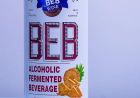

















BEB WINE: UGANDAN BEVERAGE BRAND SETS SIGHTS ON AFRICA-WIDE RECOGNITION

LIRA CITY, UGANDA — As competition intensifies in beverage industry, Beb Wine is charting an ambitious path beyond the country’s borders, positioning itself for greater visibility and market opportunities across East Africa.
Produced in Uganda, Beb Wine is seeking to strengthen its presence in the domestic market while exploring opportunities to expand its distribution network and reach consumers in neighbouring countries.
The brand’s regional ambitions come at a time when a growing number of Ugandan businesses are looking beyond the domestic market in search of new customers, stronger distribution networks and opportunities to build brands with regional appeal.
For Beb Wine, the ambition extends beyond increasing sales. The company is seeking to build a recognizable Ugandan brand associated with consistency, value and a strong local identity.
> **“Our ambition is to see Beb Wine become a brand that consumers across Africa recognize and trust. We believe Ugandan products have the potential to compete and succeed on a regional stage when supported by quality production and strong market engagement,”** a company representative said.
The East African market presents opportunities for businesses seeking to expand their customer base and establish stronger regional brands.
For Beb Wine, the expansion strategy involves strengthening distribution channels, increasing product availability and building relationships with retailers, distributors and consumers in potential regional markets.
However, market expansion is not without its challenges. Businesses entering new markets must contend with competition, changing consumer preferences, regulatory requirements and the need to maintain reliable supply chains.
Marketing experts say brands seeking regional recognition must offer more than product availability.
“Consumers today are buying into stories and identities as much as products. Brands that communicate authenticity, consistency and value are often better positioned to build long-term relationships with consumers,”
Building a Ugandan Brand
Beb Wine’s expansion ambitions also highlight the potential of Uganda’s growing private sector, particularly locally developed brands seeking to compete in regional markets.
For locally owned businesses, building a strong brand can provide an opportunity to create employment, develop distribution networks and increase the visibility of Ugandan products beyond the domestic market.
The company’s supporters believe that a stronger regional presence for Beb Wine could also contribute to the growing profile of Ugandan-made consumer products.
In Lira City, some consumers have welcomed the prospect of seeing homegrown brands expand beyond Uganda.
“It is encouraging to see Ugandan companies aiming higher. When local brands grow, they create opportunities and demonstrate that Ugandan businesses can compete beyond our borders,” one consumer said.
The Road Ahead
Despite the opportunities, the journey toward regional recognition will require sustained investment.
East Africa’s beverage sector remains highly competitive, with both established local companies and international brands competing for consumer attention. For emerging brands such as Beb Wine, maintaining consistent product standards, understanding different markets and strengthening distribution will be critical to long-term growth.
Business observers say effective marketing and customer engagement will also play an important role as the brand seeks to establish itself in new markets.
Beb Wine’s regional ambition therefore represents both an opportunity and a test of how far a Ugandan homegrown brand can travel in an increasingly competitive East African marketplace.
As the company continues to strengthen its market presence, attention will now turn to whether it can successfully translate its Ugandan identity into broader regional recognition.
For now, Beb Wine is looking beyond Uganda, carrying the ambition of building a homegrown beverage brand with a growing presence across East Africa.
What's Your Reaction?