






A FINAL REFLECTION ON NATION, LEGACY, AND LOSS A Eulogistic Review of The Day Museveni Goes: Amb. Ogwal Okul Pays Tributes Journalist Joe Nam

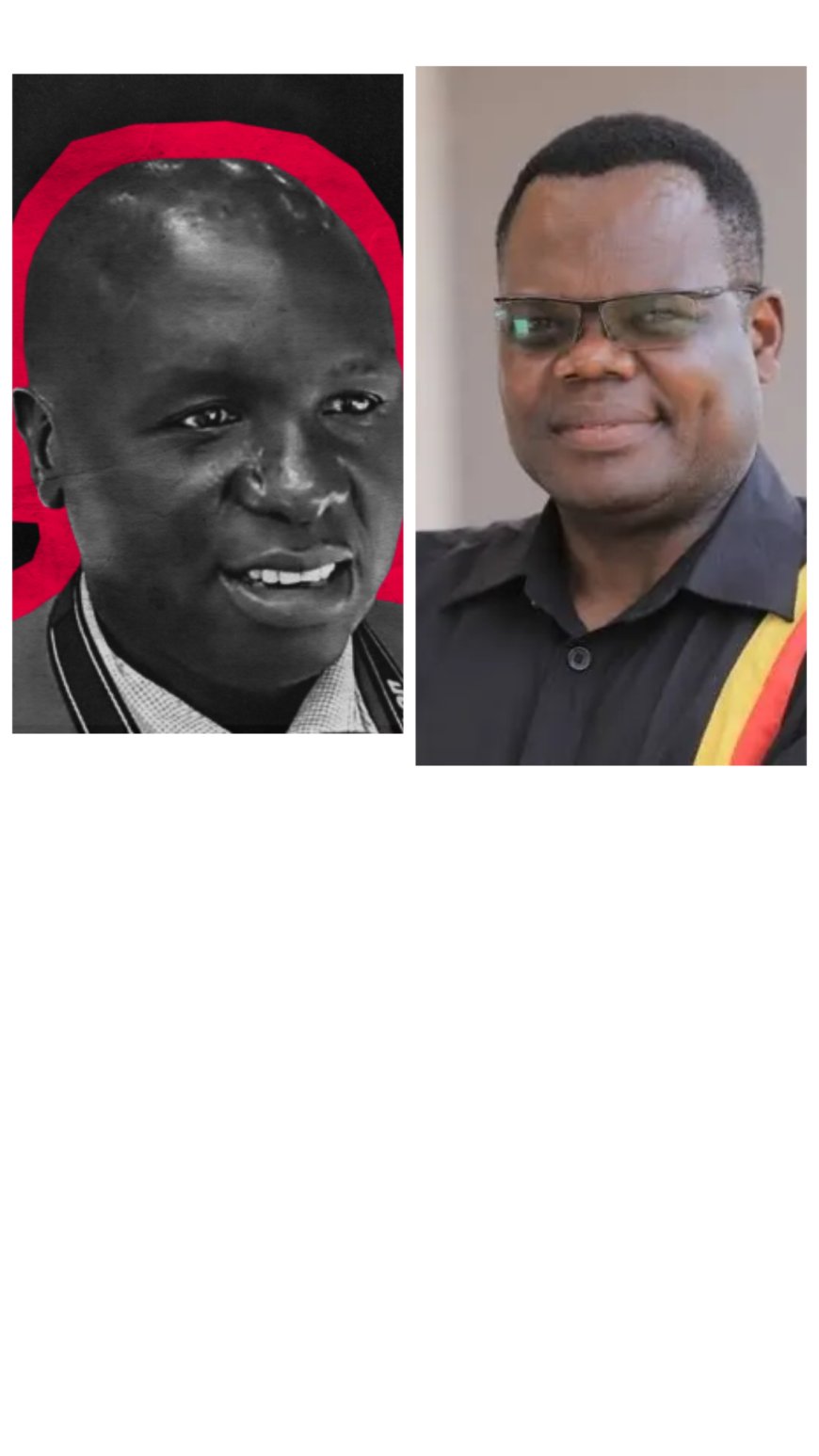
I write this reflection not merely as a reviewer of a book, but as a witness to a moment in history that has now taken on a deeply personal and national significance.
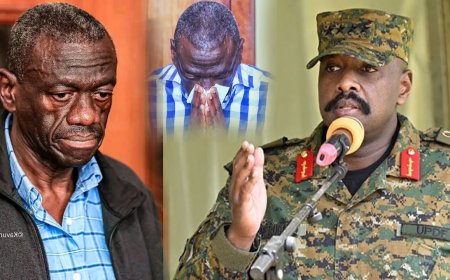
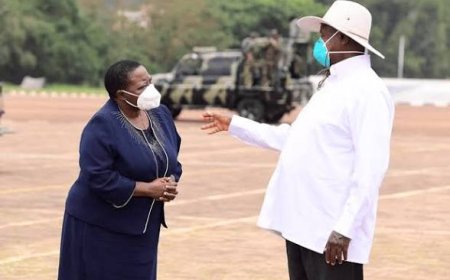
On Saturday the 18th, I had the honour of meeting His Excellency, President Yoweri Kaguta Museveni, in Lira City, the central figure whose leadership forms the subject of both my own book, Uganda Since 1986, and Joe Nam’s The Day Museveni Goes. It was a moment of reflection on a journey that has defined our nation.
But by Sunday morning, the 19th, that reflection had been overtaken by tragedy.
The news of Joe Nam’s untimely and violent death reached me with a weight that is difficult to fully articulate. In that moment, his book ceased to be just a political commentary. It became a final testament.
Joe Nam’s work is anchored on a central question: what happens when President Museveni eventually leaves office? It is a question he approaches with seriousness, historical awareness, and a deep sense of national concern. His analysis is grounded in Uganda’s past, particularly the cycles of violent transitions that have shaped our political history, and his fear is that without careful preparation, history may repeat itself.
In this respect, his book is a call for preparedness, for national dialogue, and for a transition that is orderly, constitutional, and peaceful.
My own work, Uganda Since 1986, approaches the same subject from a different but complementary perspective. It is a tribute to the transformation that has taken place under President Museveni’s visionary leadership, a journey from instability to relative peace, from institutional collapse to state rebuilding, and from isolation to regional and global engagement.
Where Joe Nam raises questions about the future, my work documents the foundations that make that future possible.
Yet, these two perspectives are not in opposition. They are part of the same national conversation.
Joe Nam acknowledges the gains that have been achieved. He speaks of a professionalized military, a more stable state, and Uganda’s growing regional influence. However, he also raises concerns about inclusivity, economic distribution, and the sustainability of these gains in the absence of the founding leadership.
His critique is not hostile. It is reflective. It is the voice of a patriot seeking to ensure that Uganda does not merely endure, but evolves.
It is this spirit that makes his death all the more tragic.
There is a profound irony, one that history will record, that a man who wrote about avoiding instability and preparing for peaceful transition would himself lose his life in a violent and untimely manner.
His voice, which called for calm reflection, has been silenced.
His message, however, remains.
In reflecting on both our works, I see not contradiction, but continuity. Uganda Since 1986 tells the story of how far we have come. The Day Museveni Goes challenges us to consider where we must go next.
Together, they form a bridge between legacy and transition.
Joe Nam’s contribution to this national discourse must therefore be honoured, not only in memory, but in action. His call for preparedness, for dialogue, and for responsible leadership remains relevant.
As I reflect on my meeting with the President in Lira, and the news that followed the next morning, I am reminded that nations are shaped not only by their leaders, but also by the voices that engage with their future.
Joe Nam was one such voice.
Though he is gone, his questions remain.
And in answering them wisely, we honour both his life and the journey of our nation.
Rest in peace, Joe Nam.
Amb. Dickson Ogwang-Okul
Lawyer | Diplomat & Author of UGANDA SINCE 1986: The Socio-Economic Transformation Journey Through the Eyes of a Foreign Service Officer
What's Your Reaction?