







We Shall Remove Bad Leaders , Those Who Are Old And Also Who Who Are Thieves – Gen Muhoozi Declares

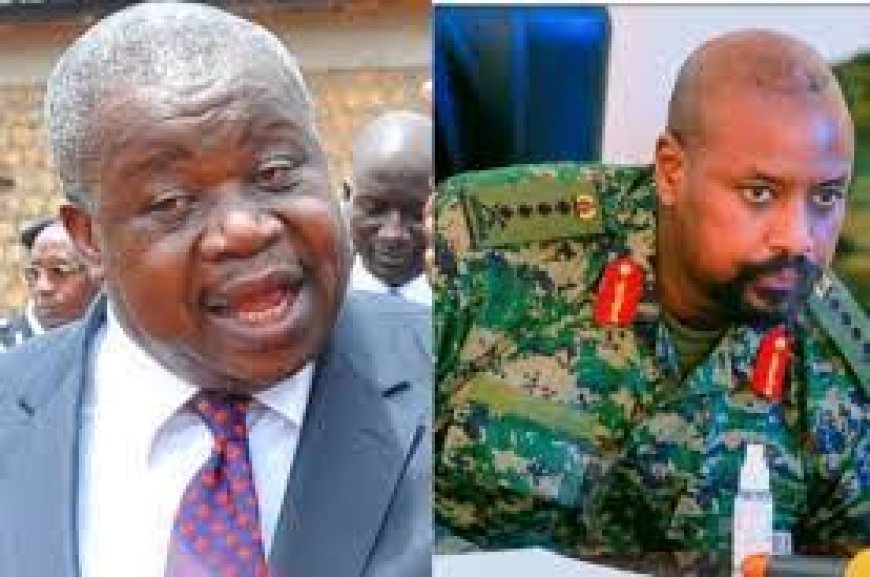

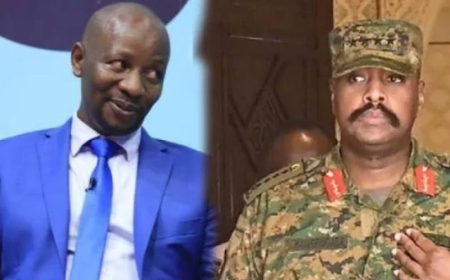
General Muhoozi Kainerugaba has sparked political debate after declaring that one of his goals is to remove leaders he considers bad, old and corrupt. His statement has drawn attention to discussions about leadership, accountability and the role of younger generations in shaping Uganda’s political future.
In his remarks, Muhoozi stated, “The second goal is to remove bad leaders who are old and thieves.” Although the statement was brief, its strong wording could generate debate among political leaders and members of the public, particularly over what he means by removing such leaders and how the goal would be pursued.
The general’s comments touch on longstanding concerns about corruption and accountability in public office. Across Uganda, questions about the misuse of public resources, service delivery and the conduct of political leaders frequently feature in public discussions about governance and national development.
His reference to leaders who are old has also introduced the issue of age and political leadership into the conversation. The statement may prompt debate over whether leadership should be determined by age, experience, performance, integrity or the ability to respond to the needs of citizens.

Muhoozi’s remarks are likely to attract different interpretations depending on the political views of those listening. Some may interpret his words as a call for stronger action against corruption and ineffective leadership, while others may question how such a goal would be defined and implemented.
The declaration also raises questions about the meaning of accountability in a democratic system. Allegations of corruption against individual leaders require evidence and appropriate legal processes, while changes in political leadership are generally expected to follow the country's constitutional and electoral framework.
For Uganda’s political landscape, statements about removing allegedly corrupt leaders can intensify public debate about transparency, institutional reform and the responsibilities of those holding public office. The central issue remains how leaders can be held accountable for their actions and how citizens can assess their performance.
However, Muhoozi’s statement alone does not establish which specific leaders he was referring to or what measures he intends to take. Further clarification would be needed to determine the precise scope of his proposed goal and how it relates to Uganda’s existing political and legal institutions.
What's Your Reaction?