






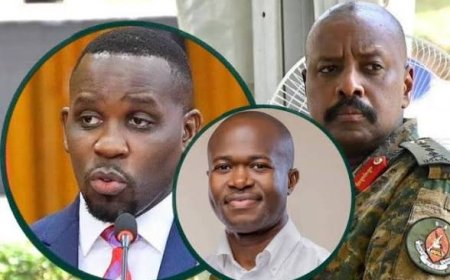



I Will Say It Without Fear, This Is The Worst Judiciary In History Of Uganda – Odonga Otto Fumes Over Kizza Besigye’s Denied Bail Applications

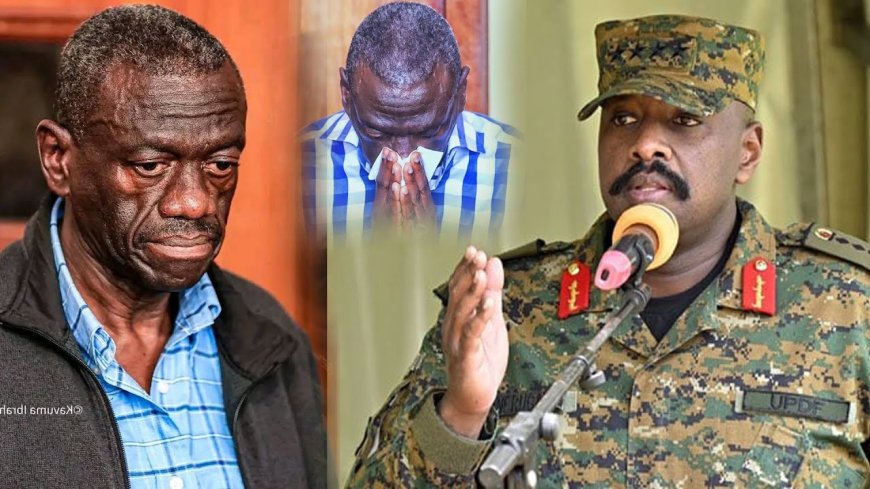

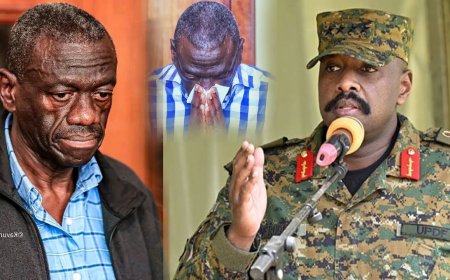
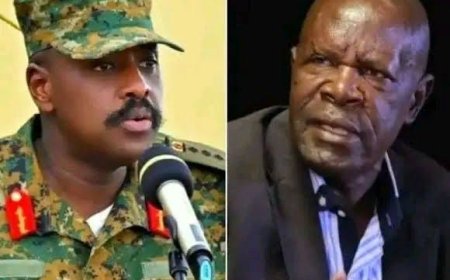
Former Aruu County MP Odonga Otto has launched a strong criticism of Uganda’s judiciary over the continued denial of bail to opposition figure Dr Kizza Besigye, describing the situation as a serious test of judicial independence. Otto made the remarks during an appearance on NBS Frontline, where he questioned whether the courts were applying the law fairly in politically sensitive cases.
“I would want to say, without fear or favour, that this would be the worst judiciary in the history of Uganda since independence,” Otto said. His statement reflected his growing concern over Besigye’s continued detention and what he considers repeated setbacks in the opposition leader’s attempts to secure bail.
Otto argued that Uganda’s current challenges were partly linked to the centralisation of power in the hands of the President. According to him, decades of constitutional and legal practices have strengthened the Executive at the expense of other institutions, raising concerns about the independence of bodies expected to provide checks and balances.
“I personally think we are paying the ultimate price of centralisation of power in the hands of the President,” he said. Otto warned that when power becomes concentrated, institutions such as the judiciary risk losing public confidence, especially when dealing with cases involving opposition politicians.

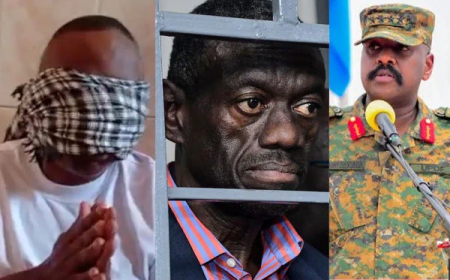
The former legislator particularly questioned Besigye’s continued detention despite reportedly making four bail applications. He said the repeated rejections had prompted him to question whether Uganda had an independent judiciary capable of making decisions without political influence.
“Now it raises a point to me: Do we have an independent judiciary? I would say no,” Otto stated. He also invoked the case of former Kampala Lord Mayor Erias Lukwago, arguing that the right to seek bail should be protected under the existing law, regardless of an individual’s political standing.
Otto challenged government officials who may want stricter restrictions on bail to pursue changes through Parliament and the constitutional process. He argued that if authorities believe existing provisions are inadequate, they should openly propose amendments rather than allow uncertainty over how the law is being applied. He also suggested house arrest as a possible alternative in Besigye’s case if concerns about his release could be addressed lawfully.
Otto’s remarks have renewed public debate about Besigye’s detention, the application of bail laws and the relationship between the Executive and the judiciary. However, his description of the courts as the worst in Uganda’s history is his personal assessment, not an established judicial finding. The debate now centres on whether public confidence in the justice system can be strengthened while ensuring that bail decisions follow the law and the circumstances of each case.
What's Your Reaction?