




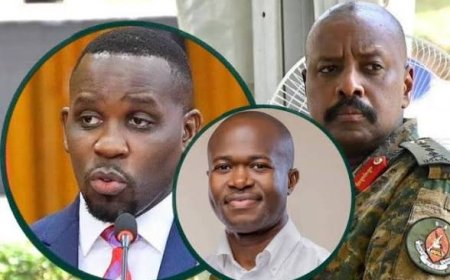

I Don’t Run Muhoozi’s Affairs or My Daughters’ Homes. They’re My Children, But I Also Have My Own Wife to Look After – Museveni Warns Cultural Leaders Against Politics

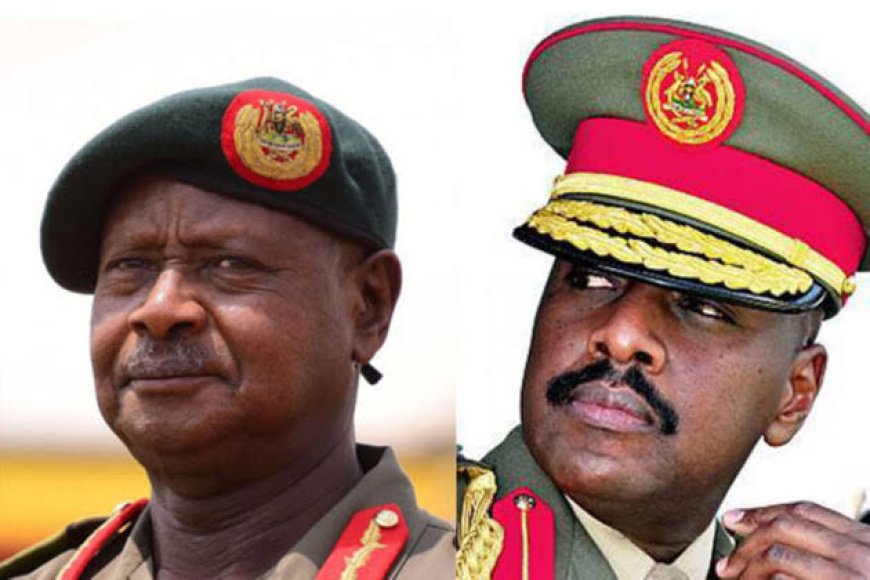

President Yoweri Museveni has issued another warning to traditional and cultural leaders, urging them to stay away from partisan politics and concentrate on their cultural responsibilities. Speaking during a meeting with cultural leaders at State House, the President reminded them that their positions should not be used to influence the political decisions of their subjects.
Museveni argued that cultural leaders are parents to communities made up of adults who have reached the age of making independent decisions. He said such people are voters who should be allowed to choose their preferred political leaders without pressure or interference from traditional institutions.
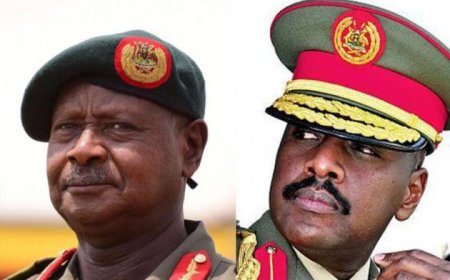
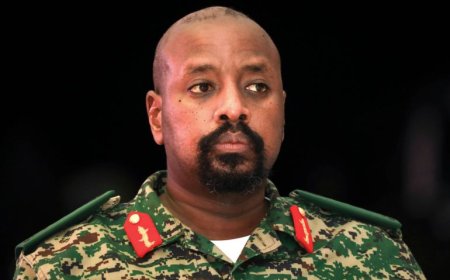
To explain his position, Museveni referred to his own family, mentioning his son, Gen Muhoozi Kainerugaba, and his daughters. He said he does not interfere in their personal affairs despite being their father, adding that he has his own responsibilities at home.
"I don’t run Muhoozi’s affairs or my daughters’ homes. They’re my children, but I also have my own wife to look after," Museveni said, using the example to emphasise why cultural leaders should allow adults to manage their own affairs.

The President's remarks come amid ongoing discussions about the relationship between cultural institutions and government, particularly regarding the role traditional leaders should play in national political affairs. Museveni has repeatedly maintained that cultural leaders should focus on preserving culture, promoting unity and supporting development rather than engaging in partisan political activities.
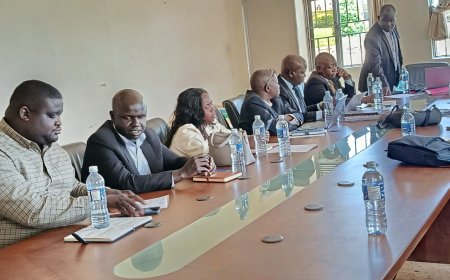
The meeting was attended by several cultural leaders from different parts of Uganda, including the newly crowned King of Tooro. However, the Kabaka of Buganda, Ronald Muwenda Mutebi II, was reportedly absent from the gathering, although no clear explanation for his absence was provided.
Museveni also encouraged cultural institutions to contribute to national development by promoting traditional knowledge, skills, tourism and wealth creation among their communities. He argued that cultural leaders could work with government in areas such as agriculture, education and preservation of Uganda's heritage without taking on the responsibilities of elected political leaders.
The latest warning puts the role of traditional leaders in Uganda's political environment back in the spotlight. While cultural institutions continue to command significant influence in their communities, Museveni wants them to maintain a distinction between cultural leadership and partisan politics, leaving citizens free to make their own political choices.
What's Your Reaction?