



Bobi Wine Is An 'Expired Product' Muhoozi Shall Win The 2031 Elections By 99% Votes – Andrew Mwenda Predicts

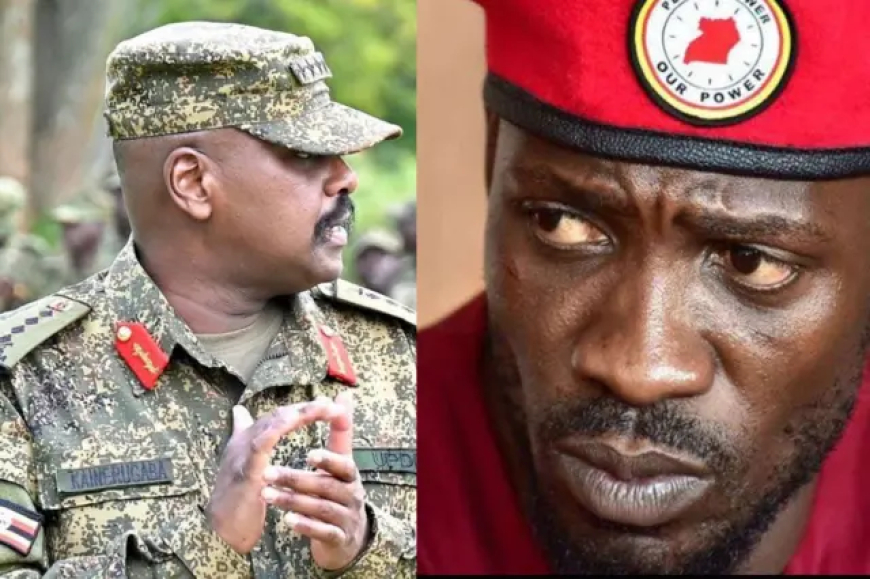

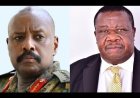
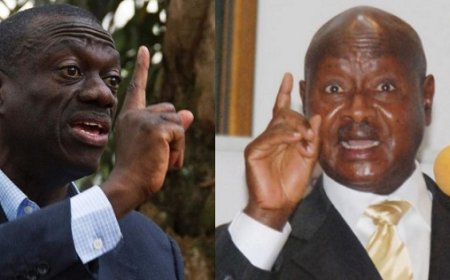
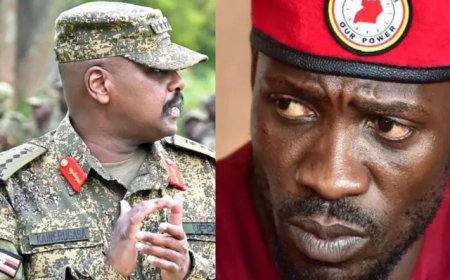
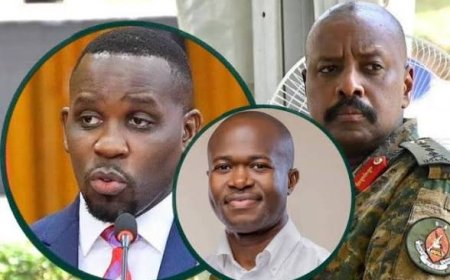
Political analyst and journalist Andrew Mwenda has sparked debate in Uganda after making a bold prediction about the country’s 2031 presidential elections, claiming that General Muhoozi Kainerugaba could win by an overwhelming 99% of the vote. His remarks have attracted attention because of the strong language he used while discussing the future of opposition leader Robert Kyagulanyi, popularly known as Bobi Wine.
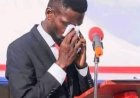
Mwenda also described Bobi Wine as an “expired product,” questioning whether the National Unity Platform (NUP) leader would maintain the political influence he has built over the years. The statement has reignited discussions about the opposition leader’s popularity, his political strategy and his ability to remain a major figure in Uganda’s political landscape.
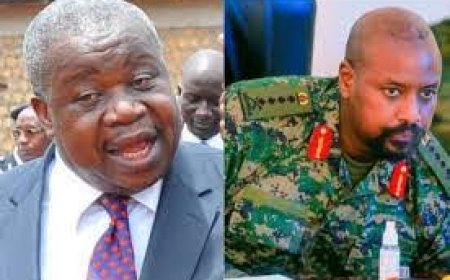
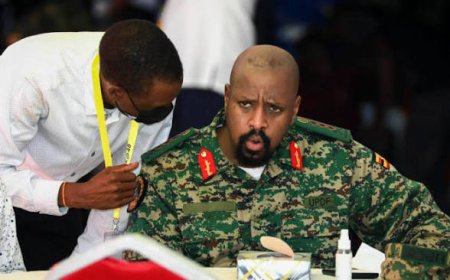
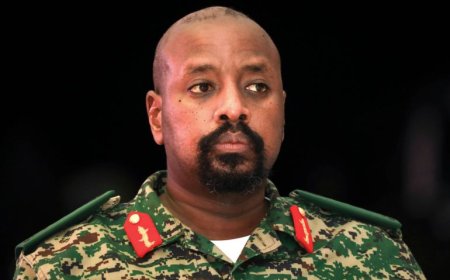
The prediction about Muhoozi comes amid continuing discussions about Uganda’s political future and the possibility of new contenders emerging in the years ahead. Muhoozi, the son of President Yoweri Museveni and Uganda’s Chief of Defence Forces, has frequently attracted public attention through his statements and activities, although any future presidential ambitions would depend on the political and legal circumstances at the time.
Mwenda’s projection of a 99% victory is an exceptionally high figure, suggesting an almost complete dominance of the vote. However, it remains his prediction rather than an established electoral outcome. The actual results of any future election would depend on the candidates, voter participation, campaign conditions and the conduct of the electoral process.

His description of Bobi Wine as an “expired product” is also likely to generate disagreement among Ugandans. Since entering national politics, Bobi Wine has attracted supporters who view him as an alternative to the long-serving government, while critics have questioned his political approach and the opposition’s ability to achieve its objectives.
The comments have also brought attention to the wider question of how political popularity should be measured in Uganda. Public statements, social media discussions and the enthusiasm of supporters can influence perceptions, but they do not necessarily provide a complete picture of how voters across the country intend to vote.
As the 2031 elections remain years away, much could change in Uganda’s political environment before voters go to the polls. Political alliances may shift, new candidates could emerge, and both government and opposition figures may adjust their strategies in response to public concerns and national developments.
Mwenda’s remarks have therefore added another chapter to the ongoing debate about Uganda’s political direction and the future of its major political figures. Whether his assessment reflects the views of a wider section of the electorate remains an open question, with the country’s eventual electoral choices left to voters.
What's Your Reaction?