


JUST IN!! Why UHRC Chair Hon. Wangadya Is Facing Several Online Media Attacks

By Agency
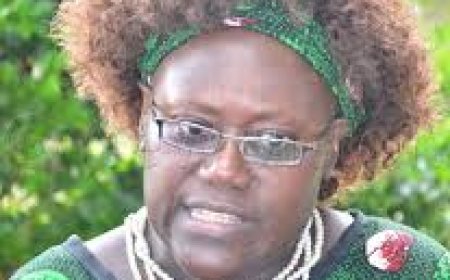
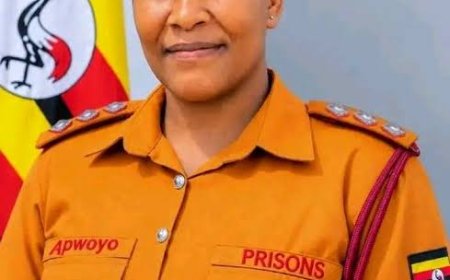
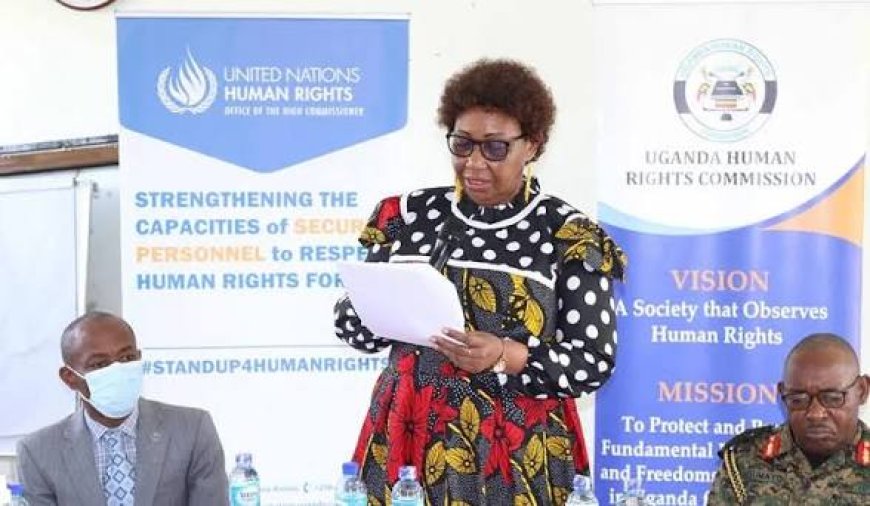
Justice Musa Ssekaana and Uganda Human Rights Commission chairperson Hon. Mariam Wangadya have recently dominated online blogs often associated with negative coverage of prominent Ugandans. Insiders within government circles suggest that this sudden attention—especially toward Wangadya—may not be coincidental.
According to reports, a quiet but intense race has been unfolding among legal professionals seeking appointment as Deputy Chief Justice, following the promotion of Flavian Zeija to the position of Chief Justice.
The Judicial Service Commission, through its Permanent Secretary Rose Nassali Lukwago, confirmed that the recruitment process for a suitable candidate is already in motion.
Sources indicate that lobbying efforts are at their peak, with senior members of the judiciary and private practitioners competing for the influential role. Although neither Ssekaana nor Wangadya has formally declared interest, both are reportedly viewed as strong contenders.
Highly placed sources from State House reveal that Muslim leaders from both the Uganda Muslim Supreme Council and the Kibuli-based Supreme Mufti faction are actively advocating for a Muslim candidate to take up the position.
However, President Yoweri Museveni is said to be prioritizing integrity over religious considerations, emphasizing the need for a corruption-free appointee. This has complicated matters, as several career judicial officers have reportedly been mentioned in corruption intelligence reports.
Wangadya’s previous role as Deputy Inspector General of Government, coupled with her leadership at the human rights commission, is believed to give her an edge—especially as the president is keen on reforming the judiciary.
This has allegedly triggered attempts to tarnish her reputation, including a whistleblower report that has circulated online for weeks. The document was reportedly submitted to the IGG, the State House Anti-Corruption Unit, and the Criminal Investigations Department, calling for investigations. Despite being widely shared, many media houses have reportedly withheld publication pending official action.
Why Wangadya?
Sources say that beyond her faith, Wangadya is recognized for her diligence and work rate. She has notably improved the output of the Uganda Human Rights Commission Tribunal, reportedly delivering about 20 rulings within two days—far exceeding the pace seen at appellate courts, where such output may take months.
There are also claims that the president is leaning toward appointing a female Deputy Chief Justice, drawing from the tenures of Alice Mpagi Bahegeine and Constance Byamugisha, during which Uganda’s appellate jurisprudence reportedly gained international recognition. Critics argue that male leadership has widened the divide between lawyers and judges, even resulting in the exile of a Uganda Law Society president—an unprecedented development under Museveni’s rule. Some believe a female leader could help restore balance.
It is further alleged that some of those targeting Wangadya may be acting out of retaliation, particularly due to her involvement in exposing corruption networks in Parliament during budget processes. This led to the arrest of legislators such as Cissy Namujju, Paul Akampa, and others. Additionally, there are claims that some colleagues within her commission resent her close access to the president.
Wangadya also gave testimony in the corruption cases. However, the eventual withdrawal of charges and release of suspects cast doubt on the government’s anti-corruption efforts.
Justice Ssekaana
While serving as head of the Civil Registry at the High Court, Justice Ssekaana was widely regarded as a rising figure within the judiciary. Many—especially within the Muslim community—believed he had the potential to become the country’s first Muslim Chief Justice. However, resistance reportedly emerged, with complaints and negative reports submitted to appointing authorities and the Judicial Service Commission.
Sources within the commission led by Douglas Singiza indicate that several of these complaints are being handled on an expedited basis ahead of the conclusion of the Deputy Chief Justice selection process.
Although some Muslim leaders support his candidacy, the Kibuli faction is said to be dissatisfied with him, particularly over his refusal to step aside in a case involving Juma Zukuli, where he faced allegations of bias.
Prominent Muslim leader Kassim Nakibinge Kakungulu, who once backed Ssekaana’s appointment to the bench, is reportedly unhappy with decisions that led to the imprisonment of Sheikh Khalifa Lutaaya and Sheikh Hassan Kinene for contempt of court.
Ssekaana has also been criticized for allegedly responding harshly to criticism on social media and engaging in personal exchanges with lawyers during proceedings.
Historically, President Museveni has tended to appoint Deputy Chief Justices from among Supreme Court judges.
Other names being mentioned include Geoffrey Kiryabwire, Barishaki Cheborion, and Egonda-Ntende, all serving on the Court of Appeal.
The Deputy Chief Justice heads the Court of Appeal, which also serves as the Constitutional Court. To qualify, one must hold a law degree and have served as a judge at the High Court, Court of Appeal, or Supreme Court.
Advocates with at least 15 years of legal experience are also eligible. Sources suggest that the president intends to appoint the new Deputy Chief Justice before the next swearing-in ceremony to avoid any leadership vacuum, similar to his directive that village elections be completed before May 2026.
What's Your Reaction?