









90% Die Within 48 Hours of Admission! Kiruddu Hospital Boss Reveals Alarming Reason Behind Rising Patient Deaths in Uganda

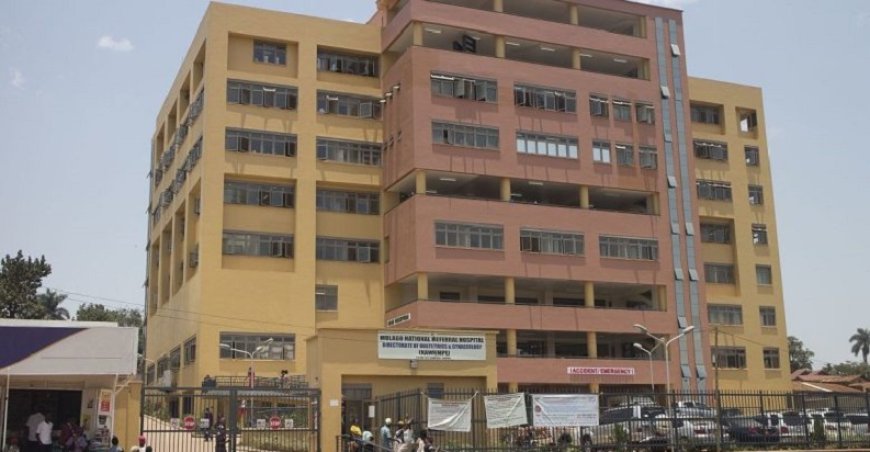

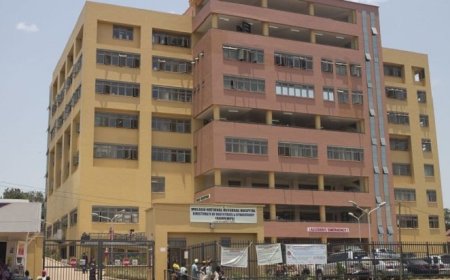
Kiruddu National Referral Hospital Executive Director Dr Charles Kabugo has raised concern over the increasing number of patients arriving at major hospitals when their medical conditions have already become critical, revealing that approximately 90 per cent of deaths at tertiary hospitals occur within the first 48 hours of admission. He blamed the situation on delayed referrals, poverty and patients taking too long to seek appropriate medical attention, warning that some arrive when their chances of recovery are already very limited.
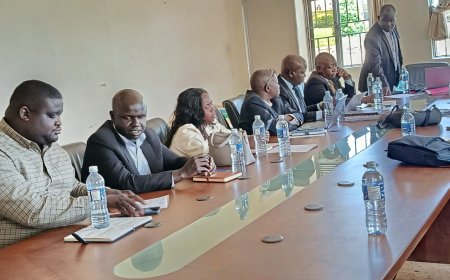
Dr Kabugo made the revelation while appearing before Parliament's Public Accounts Committee on November 3, 2026, during a meeting to consider the December 2025 Auditor General's report. He was responding to concerns from legislators about patients whose conditions deteriorate before they are transferred to Kiruddu for specialised treatment.
"90% of the deaths occur within 48 hours of admission," Kabugo told MPs, explaining that many patients arrive at the hospital extremely sick. He said this indicates that people are being referred too late, denying medical teams enough time to intervene before their conditions become life-threatening. He appealed to health workers at lower-level facilities to refer complicated cases early instead of waiting until patients are critically ill.
The hospital director also highlighted poverty as another major obstacle, explaining that some patients cannot afford transport to Kampala or other facilities offering specialised treatment. He urged Ugandans to seek medical attention as soon as they become sick rather than spending too much time exploring alternative treatment options before eventually going to hospital. He warned that even the best medical teams cannot always save patients who arrive when their conditions have become extremely severe.

Kabugo also revealed that Uganda's disease burden is changing, with hospitals increasingly dealing with non-communicable diseases such as cancer, diabetes, hypertension and kidney complications. He said Kiruddu has even asked National Medical Stores to reduce its malaria medicine allocation because malaria cases are no longer a major part of the hospital's workload, which mainly involves complicated medical conditions. He attributed the growing disease burden partly to lifestyle choices, eating habits and environmental pollution, calling for stronger regulation.
The hospital is particularly concerned about the rising number of kidney patients requiring dialysis. Kabugo told MPs that the hospital attends to approximately 300 patients during its Wednesday diabetes clinic, while conducting between 80 and 90 dialysis sessions every day. He explained that one dialysis session costs about Shs350,000 in medical supplies alone, yet Kiruddu charges patients only Shs60,000 to help them access the service. Some patients who cannot afford even that amount are treated without paying, leaving the hospital struggling with accumulated debts.
During the meeting, MPs raised concerns about inadequate government funding for dialysis services, with legislators questioning how patients who require treatment several times every week can afford to survive. Kabugo revealed that the hospital's dialysis budget had increased from Shs2.5 billion to Shs10.2 billion, but the number of kidney patients continued rising. He also explained that families are being financially devastated, with some selling land and relocating to areas near hospitals to ensure their relatives receive regular treatment.
To reduce the burden on patients travelling to Kampala, Kiruddu has started expanding dialysis services to regional referral hospitals. Satellite dialysis centres have already been established in Mbale, Lira, Hoima and Mbarara, while plans are underway to extend similar services to Arua and Jinja. Kabugo said expanding these services would make treatment more accessible, but appealed for increased government funding and stronger prevention efforts as Uganda faces a growing burden of chronic diseases.
What's Your Reaction?