





Disbelief! Ofwono Opondo Turns Against PLU, Demands Answers Over Alleged Torture and Disappearance of Activist Aloikin

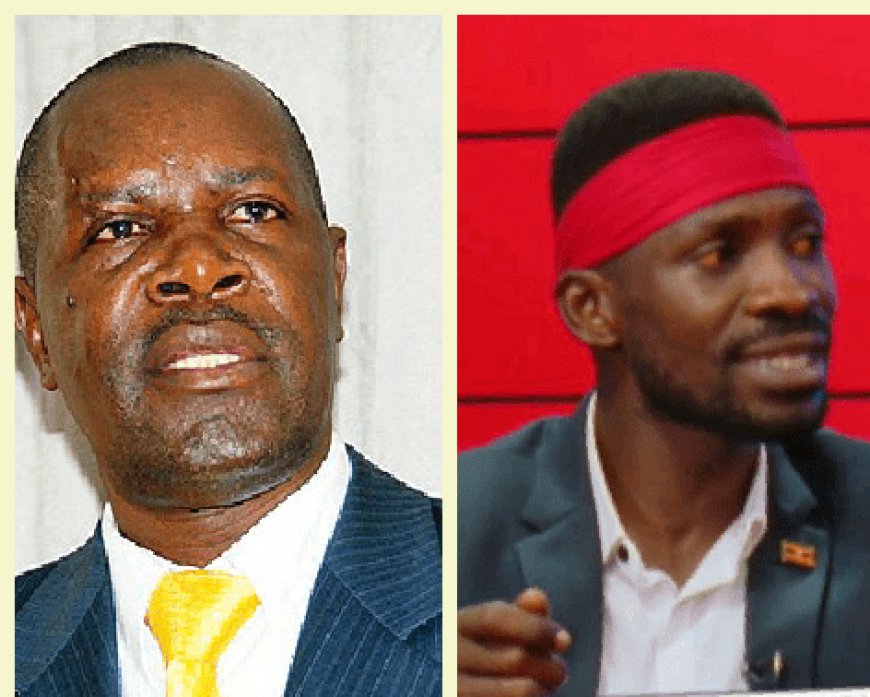

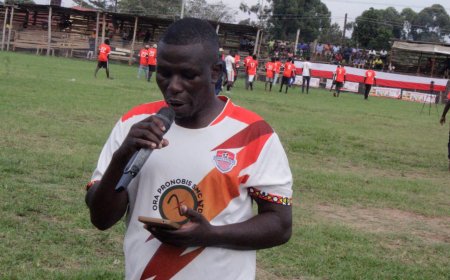
Older Persons Member of Parliament Ofwono Opondo has sparked fresh political debate after challenging the government to explain the alleged abduction and mistreatment of human rights activist Aloikin Praise Opoloje. His remarks, delivered during a parliamentary plenary session chaired by Speaker Thomas Tayebwa, have attracted attention because of his long-standing association with the ruling National Resistance Movement (NRM). Opondo questioned how a citizen could reportedly be summoned to a police station and later end up in the hands of unidentified individuals without a clear explanation from the authorities.
The legislator challenged the Minister of Internal Affairs to clarify the circumstances surrounding Aloikin's alleged disappearance and subsequent detention. He questioned who had authorised the reported actions, whether the individuals involved had lawful powers to detain her, and why the public had not received satisfactory answers. Opondo argued that police stations should not become places where citizens seeking assistance or responding to official summonses fear losing their freedom without proper legal procedures being followed.
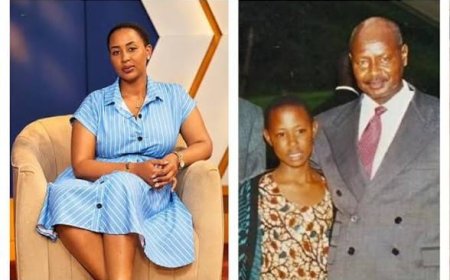
Opondo's intervention comes after reports that Aloikin, a young mother and governance activist, made serious allegations about her treatment while in detention. Following her reported release on bail, she allegedly raised concerns about abusive treatment and the conduct of security personnel. Opondo insisted that the accusations deserved a clear response from police leadership and everyone involved in her custody. He maintained that the authorities should establish what happened instead of allowing unanswered questions to deepen public suspicion.
The MP's comments have also drawn attention to the relationship between the NRM and the security agencies operating under the government. Opondo argued that the ruling party cannot completely distance itself from allegations involving state institutions when it is responsible for leading the government. He pointed to the importance of accountability, insisting that any alleged violations of citizens' rights must be addressed regardless of the political positions of the people involved. His remarks suggest that loyalty to a political movement should not prevent its members from questioning actions that appear inconsistent with its stated principles.

The debate became more politically charged when Opondo reportedly faced criticism from a fellow legislator associated with the Patriotic League of Uganda (PLU) over his decision to link the allegations to the wider government and security establishment. However, Opondo stood his ground, maintaining that institutions operating under the government must be held accountable for their conduct. His position has fuelled discussion about whether political leaders should focus only on individual officers or also demand answers from the institutions responsible for supervising them.
Opondo's intervention has further placed the PLU under the spotlight amid continuing discussions about its political influence and relationship with the NRM establishment. Comparisons have also emerged with previous remarks attributed to veteran politician and Internal Affairs Minister Kahinda Otafiire, who has been reported as criticising aspects of the PLU leadership. Although Opondo's comments do not necessarily amount to a complete break with the ruling party, they highlight tensions over accountability, security operations and the direction of Uganda's politics.
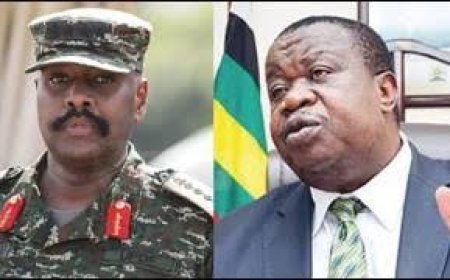
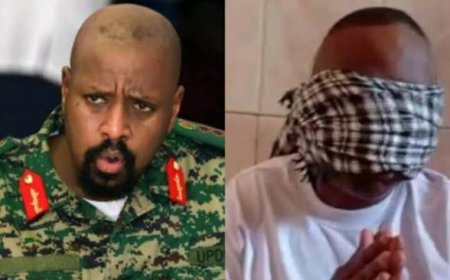
Aloikin's case has attracted additional public interest because reports indicate that she had criticised Chief of Defence Forces General Muhoozi Kainerugaba before the alleged incident. However, the circumstances surrounding her reported transfer to unidentified individuals and her allegations of torture remain matters requiring independent clarification. Opondo's demands have added pressure on the relevant authorities to explain the sequence of events, while the allegations must be distinguished from findings formally established through an independent investigation or court proceedings.
The central question now is whether the government and security leadership will provide a detailed account of what happened to Aloikin and address the concerns raised in Parliament. Opondo's intervention sends a strong message that allegations of unlawful detention and mistreatment should not be dismissed simply because they involve politically sensitive individuals or institutions. His remarks could intensify debate within the NRM and among PLU supporters, but the immediate demand remains straightforward: the public deserves answers, and anyone found responsible for wrongdoing should be held accountable under the law.
What's Your Reaction?