




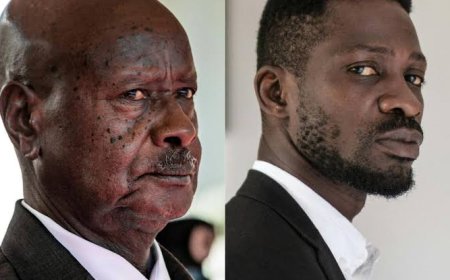

The Museveni & Bobi Wine Power Sharing Deal! Gen Salim Saleh Wants Parliament To Audit Every Shilling


Gen Salim Saleh has proposed strict parliamentary oversight of Uganda's proposed Consociational Democracy Agreement, insisting that every shilling spent on implementing the arrangement must be accounted for to prevent corruption, political patronage and misuse of public resources.
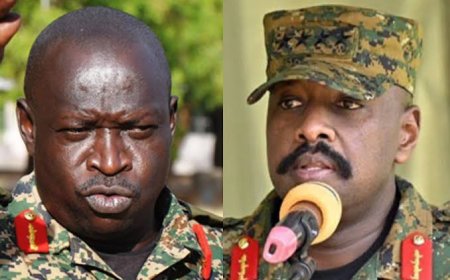
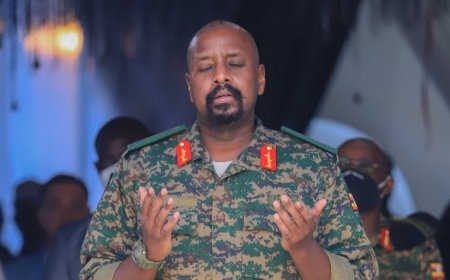
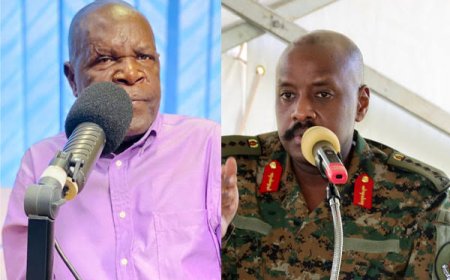
In a 137-page working paper co-authored with his personal secretary, Professor Ogenga Otunnu, Saleh argues that political cooperation should not become an opportunity for politicians and politically connected individuals to share government money and resources without accountability. The retired general, who is President Yoweri Museveni's younger brother, wants Parliament to play a central role in monitoring the proposed political settlement.
Specifically, Saleh wants Parliament's Public Accounts Committee to audit all expenditure associated with implementing the agreement. This would include funds and other resources allocated to political parties, individuals and other beneficiaries under the proposed power-sharing arrangements. He believes that without proper financial supervision, the initiative could easily reproduce the patronage and clientelism that have undermined previous political arrangements.
The authors also want Members of Parliament to regularly question government officials through parliamentary questions and committee hearings. Under this proposal, the Executive would be required to explain how the agreement is being implemented, how much money is being spent and which individuals or groups are benefiting from the arrangement.

The proposed accountability measures would cover several important areas, including land restitution, settlement of land disputes, youth skilling and employment programmes, regional resource allocation and electoral reforms. Government would also be expected to present an annual report to Parliament detailing progress, expenditure and commitments that remain unfulfilled.
Another major proposal is the establishment of a Parliamentary Select Committee on National Inclusion, Unity and Cooperation. The committee would comprise representatives from the ruling NRM party and opposition political parties, giving different political groups an opportunity to participate in monitoring the agreement and raising concerns affecting their constituencies.
Through public hearings, the proposed committee would receive complaints from communities, examine implementation challenges and ensure that decisions made under the arrangement reflect the interests of ordinary Ugandans. The authors believe that political cooperation should benefit the wider population rather than become an arrangement where political leaders negotiate privileges for themselves.
Saleh and Otunnu ultimately argue that transparency, parliamentary supervision and regular accountability must form the foundation of any national political settlement. Their proposal suggests that Uganda's planned power-sharing arrangement should not only bring political actors together but also establish clear mechanisms to ensure that public money is protected and that the intended benefits reach the citizens.
What's Your Reaction?