
UMA Explains King Oyo’s Cancer Diagnosis Controversy, Points To Diagnostic Gaps

1.
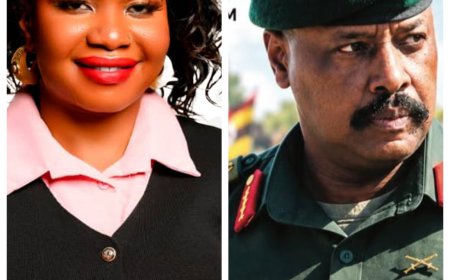
The Uganda Medical Association (UMA) has addressed growing questions surrounding the diagnosis and treatment of the late Tooro King Oyo Nyimba Kabamba Iguru Rukidi IV, saying the circumstances highlight both the complexity of medical diagnosis and gaps in Uganda’s access to advanced diagnostic services. The discussion follows revelations by Princess Ruth Komuntale that the King spent more than a year seeking medical attention for persistent pain before he was diagnosed with angiosarcoma.
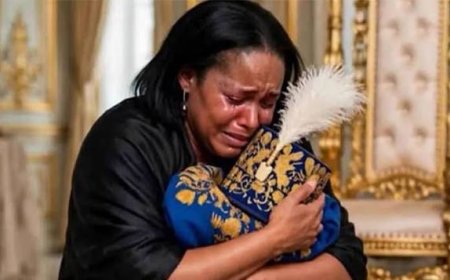
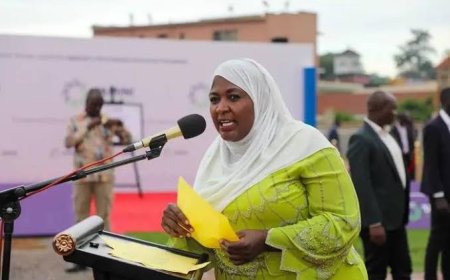
Princess Komuntale said during her brother’s funeral at St John’s Cathedral in Fort Portal on September 12 that Oyo had previously been told that his pain could be linked to strenuous exercise or ulcers and was advised to undergo physiotherapy. She said the correct diagnosis was eventually made after he travelled for further medical assessment, by which time the rare and aggressive cancer had spread to several organs.
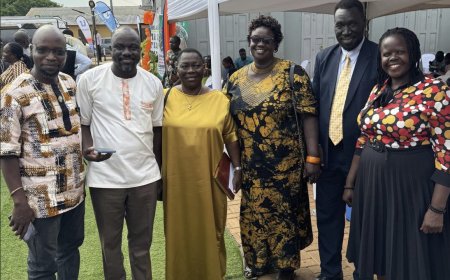
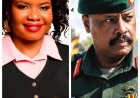
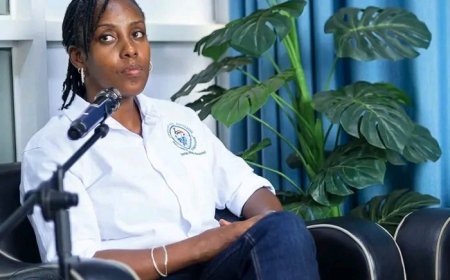
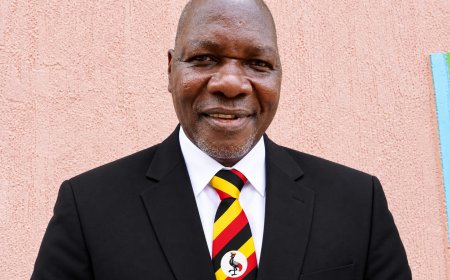
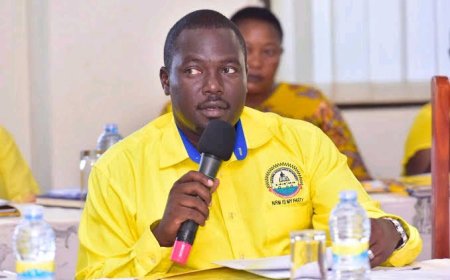
Dr Evan Kamara, Vice President of UMA’s Central Branch, has cautioned against viewing a diagnosis as a fixed conclusion reached during a patient’s first visit. She explained that doctors normally work through a process of differential diagnosis, considering several possible causes of symptoms and narrowing them down as additional information, examinations and test results become available. She also noted that medical terminology can sometimes create misunderstandings between doctors and patients.
Kamara acknowledged that Oyo’s case has exposed challenges surrounding access to specialised diagnostic equipment in Uganda, particularly advanced imaging and laboratory services. She cited PET scans as one of the technologies that could strengthen cancer diagnosis and monitoring, noting that greater availability of such equipment could reduce the need for some patients to travel abroad for specialised investigations.
The UMA official also pointed to the need for stronger collaboration among medical specialists. Complex cases can require input from radiologists, oncologists, surgeons and other specialists, and Kamara said Uganda is still developing the networks needed to allow experts to review difficult cases collectively. She cautioned, however, against concluding from Oyo’s experience that doctors routinely make wrong diagnoses, saying some cancers are exceptionally aggressive and may progress rapidly even where sophisticated diagnostic equipment and treatment are available.
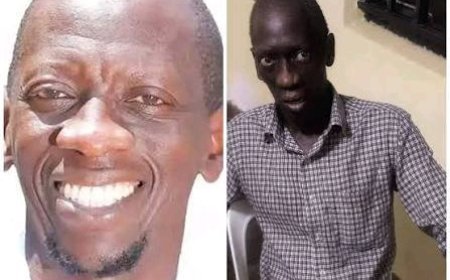
Oyo was eventually treated in Kenya, Germany and the United States after his cancer was identified as angiosarcoma. His family said he initially responded positively to treatment before his condition deteriorated in July. He died in the United States on August 27, 2026, aged 34, and was buried at the Karambi Royal Tombs on September 12. The debate surrounding his illness has since renewed public attention on early diagnosis, specialist collaboration and the availability of advanced cancer diagnostic services in Uganda.
What's Your Reaction?