







PART ONE: PROPHETIC CZAR MK OF THE UNCOMPROMISING SWORD HAS ARRIVED TO FIGHT CORRUPTION

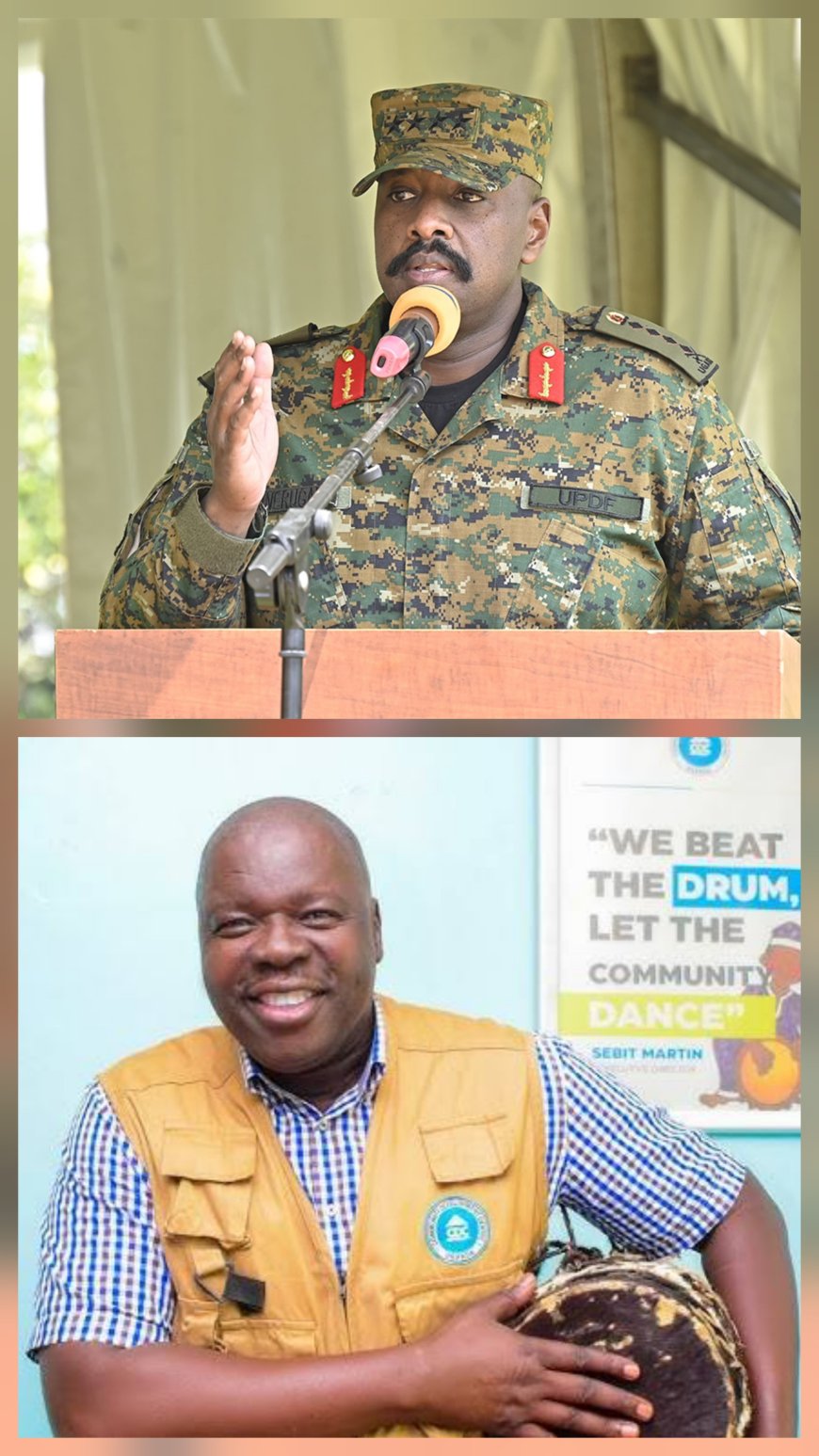
PART I – BEFORE: A HISTORY OF EXPOSURE WITHOUT CONSEQUENCE
For three decades, Uganda has languished in a Sisyphean cycle of investigations, parliamentary inquiries, and ostensibly robust anti-corruption agencies. Yet the denouement remains tragically immutable: exposure without prosecution, recommendations without enforcement, and a hollow pantomime of accountability devoid of consequence.
The narrative of Uganda’s pre-modern anti-corruption crusade is not one of legislative voids or institutional vacuums. Rather, it is a chronicle of systemic implosion across the entire accountability architecture. The malignancy was diagnosed with relentless, forensic precision; the curative intervention was perpetually withheld, leaving the body politic to fester.When Lady Justice Julia Sebutinde convened her 1999 judicial inquiry into the Uganda Police Force, the nation bore witness to a staggering revelation.
Public hearings unmasked a constabulary that had devolved into a "Mafia-type syndicate." The Criminal Investigations Department did not merely tolerate criminality; it actively colluded with, equipped, and immunized it. Bribery became institutionalized orthodoxy. Police postings were commodified, auctioned to officers predicated on their avaricious capacity to extort, with illicit proceeds siphoned upward to senior leadership. CID Director Chris Bakiza was notoriously implicated in accepting a Shs 100 million bribe to deliberately derail a high-profile murder investigation. The commission’s prescriptions were audacious: dismiss and prosecute compromised officials, enlist Scotland Yard for an autonomous review, institute civilian oversight, and elevate constable remuneration. The aftermath proved deeply cynical. Public indignation was weaponized to oust civilian leadership, a maneuver serving merely as a pretext to entrench military generals. Key figures like Bakiza were shielded from criminal prosecution. Over time, many indicted officials retained their posts or received accelerated promotions. Structural reforms were jettisoned, and the police apparatus remains one of Uganda’s most profoundly venal institutions.A few years later, the Temangalo land saga of 2008 provided another harrowing aperture into systemic depravity. Then-Security Minister Amama Mbabazi and businessman Amos Nzeyi offloaded land to the National Social Security Fund at grotesquely inflated valuations. A parliamentary probe unequivocally recommended censure for breaching the Leadership Code. Yet, Mbabazi was paradoxically exonerated and subsequently anointed Prime Minister. The tacit message was indelible: political patronage obliterates consequence.Beyond isolated scandals, the very constitutional bodies designed to act as bulwarks against malfeasance remained hamstrung by design. The Office of the Auditor General emerged as the most meticulous pathologist of national graft. Year after year, its forensic reports flagged trillions in fiscal hemorrhages, unmasked phantom workers, and exposed egregious procurement inflation. Yet, the office is constitutionally bereft of prosecutorial teeth; it can merely testify. Consequently, its damning reports routinely vanished into a bureaucratic abyss. Ministries blithely ignored corrective frameworks, corrupt officials languished in their offices, and purloined funds were scarcely ever recuperated. The Local Government Public Accounts Committee suffered an analogous fate—chronically underfunded, technically enfeebled, politically compromised, and impotent in enforcing its own findings. Audit backlogs metastasized, while accounting officers operated with absolute impunity.This institutional impotence extended to parliamentary oversight, which devolved into grandiloquent theater. The committee overseeing state enterprises became synonymous with televised hearings that captivated the populace but yielded negligible tangible accountability. Rather than functioning as an objective watchdog, the committee was repeatedly besieged by bribery allegations. Members allegedly weaponized incriminating audit queries to extort bribes from corporate executives in exchange for expunging damning findings.
Reports tabled before Parliament were routinely interred by the executive branch, ensuring corrupt chief executives and ministers rarely faced prosecution, thereby perpetuating a culture of brazen impunity.Furthermore, the Inspectorate of Government, though constitutionally mandated to eradicate graft, consistently floundered in securing convictions against politically connected elites. It lacked a functional witness protection apparatus, leaving courageous whistleblowers vulnerable to vicious intimidation. Its jurisdiction egregiously excluded the private sector, where vast illicit wealth was surreptitiously laundered, while chronic underfunding ensured a severe paucity of capital necessary for rigorous forensic audits.
Prior to the contemporary paradigm shift, Uganda’s anti-corruption machinery was largely ornamental, a Potemkin village of justice. It diagnosed the disease but was constitutionally incapacitated from prescribing a cure. Each investigation culminated in a dusty, forgotten dossier gathering cobwebs in state archives. Each scandal concluded with the same entrenched officials retaining their iron grip on power, unscathed and unrepentant. That era was a necropolis of noble recommendations, a graveyard of public trust, and an enduring archive of national exasperation.
The historical pattern of Uganda's anti-corruption crusade has long been defined by a cyclical ritual: periodic presidential condemnation, explosive media exposure, and parliamentary inquiries that ultimately yield zero systemic consequences but not anymore. MK songabele. Till next time, stay tuned for PART II loading.
In steadfast service and unwavering gratitude,
The author is Etwop Jackson Aggrey, renowned political analyst in Lira
Email: aduku2000@yahoo.comWhatsApp: 0782 319 778LIRA CITY
What's Your Reaction?